
NOW OFFERING K9 BED BUG & RODENT DETECTION SERVICES |

CALL US TODAY (437) 225 6210
CALL US TODAY (437) 225 6210

NOW OFFERING K9 BED BUG & RODENT DETECTION SERVICES | NOW OFFERING K9 BED BUG & RODENT DETECTION SERVICES |
NOW OFFERING K9 BED BUG & RODENT DETECTION SERVICES |

ROOTED IN WILDLIFE
REFINED IN PEST CONTROL
WASPS & BEE'S
We know how concerning this can feel
Wasps or bees nesting near your home can create safety worries for families. Many homeowners want clear answers about the activity. Our specialists assess the situation so you understand what is present and what your options are.
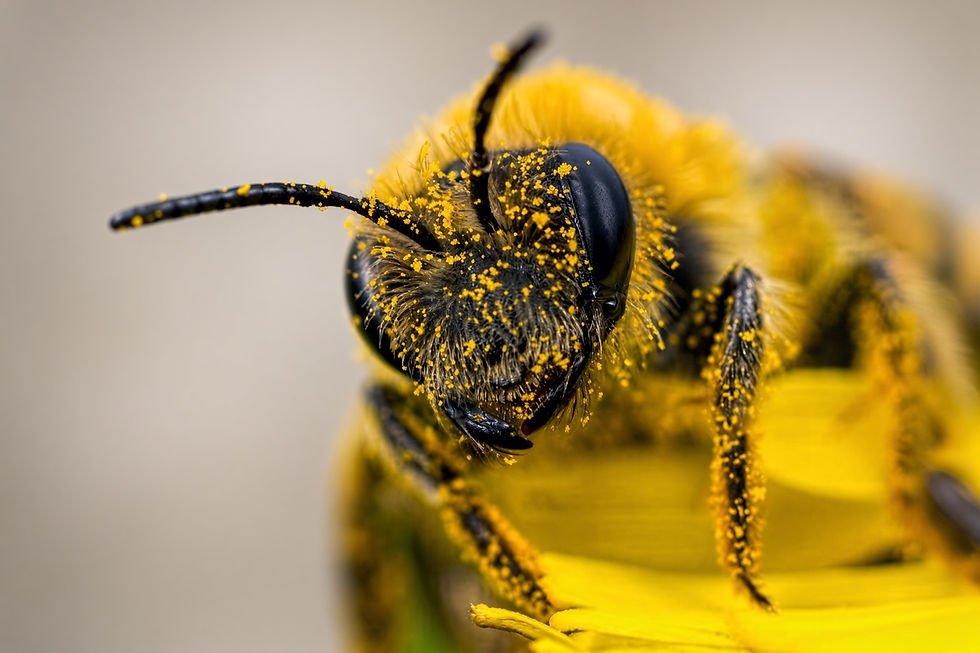
How wasps and bees typically act
Wasps are more aggressive when defending their nest, especially in late summer. Bees focus on foraging and are usually calm unless the hive is threatened. Understanding their habits makes safe removal clearer.

Common indicators of wasp or bee activity
Wasps and bees build visible nests under eaves, in wall voids, or in trees near the home. You may also see increased flying activity around a single spot. These signs often appear before the colony grows larger.

Where wasps and bees prefer to nest
Wasps commonly nest under eaves, decks, and in attics or wall cavities. Bees may occupy wall voids, chimneys, or hollow trees. Finding the exact nest location confirms how established the colony is.

Typical concerns wasps and bees create
Wasps can become aggressive near their nest and sting repeatedly if disturbed. Bees are generally less defensive but still pose risks to people with allergies. Addressing the nest early helps reduce the chance of stings.

How wasps and bees access buildings
Wasps and bees enter through small gaps in soffits, vents, and siding to reach nest sites. They return to the same openings repeatedly. Sealing these points after removal is essential for prevention.

Health and safety considerations
Stings can cause pain, swelling, and serious reactions in people with allergies. Nests near doorways or play areas increase the chance of accidental contact. Professional handling reduces these risks for the household.

Steps that reduce wasp and bee visits
Seal small gaps around the home before nesting season begins. Limit open food and sugary drinks outdoors. These changes make the property far less attractive for new nests.




Seal Entry Points
We locate and properly seal gaps in soffits, vents, and siding that wasps or bees have used or could use.

Remove Nest Sites
Accessible old nests and favourable nesting spots under eaves and decks are cleared.

Reduce Attractants
Open food, sugary drinks, and garbage near outdoor areas are addressed to stop drawing wasps in.

Install Deterrents
We assess whether the snakes are simply passing through or established on the property.

Exterior Treatment
Key nesting zones around the home are treated to make them less suitable for future activity.

Follow-Up Monitoring
Scheduled checks confirm that no new nests have started and previous entry points remain sealed.
How Our Specialists Assess Wasps & Bee's
Once wasps or bees are removed, we offer targeted steps to secure your property and reduce the chance of future activity.
How Our Wasp & Bee Assessment Works
Our process relies on experienced pest control specialists and a structured method. Systematic property checks include clear observations and precise documentation. A detailed report is provided to support effective treatment.

Our team inspects the property systematically, focusing on areas where wasps or bees are most likely to be active. We look for nests, flight paths, and conditions that may be supporting the colony.
Property Assessment

Once the inspection is complete, we record exactly where activity or evidence was found and what it indicates. Each location is noted along with the species observed so the results are specific and easy to understand.
Assessment Findings

You receive a clear written report of the findings, including the locations indicated and recommended next steps. This documentation gives you a precise record of the inspection results to guide any further action.
Assessment Report

If treatment is needed, our team handles the full process from nest removal to sealing and follow-up. We provide targeted, practical solutions based on the activity found so the issue is resolved directly by our specialists.
Management
How K9 Bed Bug Detection Works
Suspecting bed bugs is stressful. You’re not alone. Our trained K9 dogs quickly and accurately locate activity so you get clear answers instead of uncertainty.
Our bed bug detection uses highly trained canine partners and a structured inspection method. Our trained detection dog systematically searches the areas of concern, using its powerful sense of smell to locate bed bug activity.
K9 Inspection
When the dog detects the scent of bed bugs, it gives a clear, trained alert so the handler knows exactly where activity is present. This precise indication allows the handler to mark the location for further inspection and documentation.
K9 Findings
We provide a clear written report of the findings, including the locations indicated and recommended next steps. This documentation gives you a precise record of the inspection results to guide any further action.
K9 Report
If treatment is needed, we refer you to one of three highly reputable bed bug treatment providers we partner with. This ensures you receive professional service at a competitive price, with clear options tailored to your situation.
Treatment
How Our Specialists Assess Pigeons
Once pigeons are excluded, we offer targeted steps to secure your property and reduce the chance of future activity.
Ledge Modification
We recommend letting shoreline grass grow longer and reducing open lawn areas geese prefer for grazing and nesting.
Netting Installation
Bird netting is placed over balconies, eaves, and open areas to block access while remaining discreet.
Entry Sealing
Gaps under eaves, around vents, and in roof structures are sealed to prevent pigeons from entering sheltered spots.
Attractant Removal
Open food sources and standing water near the building are addressed to stop drawing pigeons in.
Surface Protection
High-traffic ledges and walkways are treated or covered to reduce dropping buildup and damage.
Ongoing Monitoring
Follow-up checks confirm that exclusion measures are holding and no new nesting sites have been established.
How K9 Bed BugDetection
Works
Our detection process relies on highly trained canine partners and a structured method. Systematic searches include clear alerts and precise documentation. A detailed report is provided to support effective treatment.
Our bed bug detection uses highly trained canine partners and a structured inspection method. Our trained detection dog systematically searches the areas of concern, using its powerful sense of smell to locate bed bug activity.
K9 Inspection
When the dog detects the scent of bed bugs, it gives a clear, trained alert so the handler knows exactly where activity is present. This precise indication allows the handler to mark the location for further inspection and documentation.
K9 Findings

We provide a clear written report of the findings, including the locations indicated and recommended next steps. This documentation gives you a precise record of the inspection results to guide any further action.
K9 Report

We provide a clear written report of the findings, including the locations indicated and recommended next steps. This documentation gives you a precise record of the inspection results to guide any further action.
Treatment
How our K9's Detects Bed Bugs
Will use a simple pizza analogy to help you understand how our K9s work. Just like a dog can smell every individual topping while we only smell a pizza.

Receptor Density
When we smell “pizza.” A dog’s 300 million sensors pick out every individual ingredient.

Targeted Odor Capture
Those sensors lock onto specific smells (like pepperoni) and send them to the brain

High-Resolution Olfactory
The brain sorts each smell so the pepperoni stands out from the rest.

Pattern Recognition
Training teaches the dog the exact bed bug scent, just like “pepperoni pizza.”

Imprinting and Discrimination
The dog learns to react only to real bed bug scent and ignore everything else.

Operational Sensitivity
A trained dog can find and alert on a single bed bug egg.
Watch Our Wildlife Team
in Action
Whether you’re seeing wasps under the eaves or bees near your home, H&H is here to help. We provide Ontario-wide pest control with trusted, experienced specialists.
Hear From Our Happy Clients
THIS IS THE SPACE TO SHARE A REVIEW FROM ONE OF THE BUSINESS'S CLIENTS OR CUSTOMERS.
Danielle Yiluay
THIS IS THE SPACE TO SHARE A REVIEW FROM ONE OF THE BUSINESS'S CLIENTS OR CUSTOMERS.
Gisele Granot
THIS IS THE SPACE TO SHARE A REVIEW FROM ONE OF THE BUSINESS'S CLIENTS OR CUSTOMERS.
Tom Schimmer


GET IN TOUCH (437) 225-6210
MENU Services
Wildlife Control
Pest Control
K9 Detection
FOLLOW US Instagram
OPENING HOURS Mon-Fri 9am - 5pm
Saturday 9am - 3pm
Sunday / OnCall

We know how concerning this can feel
Wasps or bees nesting near your home can create safety worries for families. Many homeowners want clear answers about the activity. Our specialists assess the situation so you understand what is present and what your options are.


Common indicators of wasp or bee activity
Wasps and bees build visible nests under eaves, in wall voids, or in trees near the home. You may also see increased flying activity around a single spot. These signs often appear before the colony grows larger.

How Our Wasps & Bee's Assessment Works
Our process relies on experienced pest control specialists and a structured method. Systematic property checks include clear observations and precise documentation. A detailed report is provided to support effective treatment.
Property Assessment
Our team inspects the property systematically, focusing on areas where wasps or bees are most likely to be active. We look for nests, flight paths, and conditions that may be supporting the colony.
Assessment Findings
Once the inspection is complete, we record exactly where activity or evidence was found and what it indicates. Each location is noted along with the species observed so the results are specific and easy to understand.
Assessment Report
You receive a clear written report of the findings, including the locations indicated and recommended next steps. This documentation gives you a precise record of the inspection results to guide any further action.
Management
If treatment is needed, our team handles the full process from nest removal to sealing and follow-up. We provide targeted, practical solutions based on the activity found so the issue is resolved directly by our specialists.

How Our Specialists Assess Pigeons
Once wasps or bees are removed, we offer targeted steps to secure your property and reduce the chance of future activity.
Seal Entry Points
We locate and properly seal gaps in soffits, vents, and siding that wasps or bees have used or could use.
Remove Nest Sites
Accessible old nests and favourable nesting spots under eaves and decks are cleared.
Reduce Attractants
Open food, sugary drinks, and garbage near outdoor areas are addressed to stop drawing wasps in.
Install Deterrents
Decoy nests or other deterrents may be placed in key areas to discourage new colonies from forming.
Exterior Treatment
Key nesting zones around the home are treated to make them less suitable for future activity.
Follow-Up Monitoring
Scheduled checks confirm that no new nests have started and previous entry points remain sealed.
How K9 Bed Bug Detection Works
Our detection process relies on highly trained canine partners and a structured method. Systematic searches include clear alerts and precise documentation. A detailed report is provided to support effective treatment.
K9 Inspection
Our bed bug detection uses highly trained canine partners and a structured inspection method. Our trained detection dog systematically searches the areas of concern, using its powerful sense of smell to locate bed bug activity.
K9 Findings
When the dog detects the scent of bed bugs, it gives a clear, trained alert so the handler knows exactly where activity is present. This precise indication allows the handler to mark the location for further inspection and documentation.
K9 Report
We provide a clear written report of the findings, including the locations indicated and recommended next steps. This documentation gives you a precise record of the inspection results to guide any further action.
Treatment
If treatment is needed, we refer you to one of three highly reputable bed bug treatment providers we partner with. This ensures you receive professional service at a competitive price, with clear options tailored to your situation.
How our K9's Detects Bed Bugs
Will use a simple pizza analogy to help you understand how our K9s work. Just like a dog can smell every individual topping while we only smell a pizza.
Receptor Density
When we smell “pizza.” A dog’s 300 million sensors pick out every individual ingredient.
Targeted Odor Capture
Those sensors lock onto specific smells (like pepperoni) and send them to the brain
High-Resolution Olfactory
The brain sorts each smell so the pepperoni stands out from the rest.
Pattern Recognition
Training teaches the dog the exact bed bug scent, just like “pepperoni pizza.”
Imprinting and Discrimination
The dog learns to react only to real bed bug scent and ignore everything else.
Operational Sensitivity
A trained dog can find and alert on a single bed bug egg.
Watch Our Wildlife Team
in Action
Whether you’re seeing wasps under the eaves or bees near your home, H&H is here to help. We provide Ontario-wide pest control with trusted, experienced specialists.

Client Experiences That Build Lasting Trust

Have An Unwanted Visitor?
Contact us today to book a professional wasp and bee inspection. Our experienced team can confirm activity quickly and discreetly across Ontario.
info@mysite.com
Tel. 123-456-7890
Fax. 123-456-7890

