
NOW OFFERING K9 BED BUG & RODENT DETECTION SERVICES |

CALL US TODAY (437) 225 6210
CALL US TODAY (437) 225 6210
NOW OFFERING K9 BED BUG & RODENT DETECTION SERVICES |
CALL US TODAY (437) 225 6210
CALL US TODAY (437) 225 6210
NOW OFFERING K9 BED BUG & RODENT DETECTION SERVICES |
CALL US TODAY (437) 225 6210
CALL US TODAY (437) 225 6210
NOW OFFERING K9 BED BUG & RODENT DETECTION SERVICES |
CALL US TODAY (437) 225 6210
CALL US TODAY (437) 225 6210

NOW OFFERING K9 BED BUG & RODENT DETECTION SERVICES | NOW OFFERING K9 BED BUG & RODENT DETECTION SERVICES |
NOW OFFERING K9 BED BUG & RODENT DETECTION SERVICES |

ROOTED IN WILDLIFE
REFINED IN PEST CONTROL
COYOTE
We know what it’s costing you
Losing livestock to coyotes is hard on any farm. Many producers feel frustrated, exhausted, or just plain fed up. You’re not alone, our wildlife control humanely traps and removes problem animals so you get relief instead of ongoing losses.

Common indicators of coyote activity
Coyotes leave dog-like tracks and scat that often contains hair or bone. You may also hear howling at night or find livestock or pet remains. These signs usually appear before the animals are seen during daylight

How they hunt, travel, and mark territory
Coyotes mostly hunt at night or early morning, traveling along fence lines, creeks, and bush edges. They mark territory with scat and urine and often return to the same routes. Once they learn livestock is easy prey, they keep coming back until something changes.

Where coyotes prefer to shelter
Coyotes den in brush piles, under sheds, in culverts, or in wooded edges near open fields. They choose quiet, protected spots, especially when raising pups in spring. Finding a den confirms they are using the property regularly.

Which animals are hit and when
Sheep, lambs, and young calves are the most common targets, along with poultry and outdoor pets. Losses usually rise in spring during lambing and again when coyotes are raising pups. Animals kept near bush lines or in weak fencing stay at the highest risk.

How coyotes access properties
Coyotes enter through gaps under fences, open gates, or over low barriers. They follow trails along field edges, ditches, and woodlines. Securing these routes is essential for protecting livestock and pets.

Health and safety considerations
Coyotes can carry diseases such as mange and, rarely, rabies. Direct contact should always be avoided, especially with pets. Their presence near livestock also creates ongoing risk of predation if left unaddressed.

Practical steps that lower the risk
Good fencing, especially with electric wire, lighting around pens, and prompt removal of dead stock all reduce risk. Guardian dogs or donkeys can also help. Keeping livestock away from dense cover at night and securing feed makes farms less attractive to coyotes.


How Our Professional Coyote Assessment Works
Our process relies on experienced wildlife specialists and a structured method. Systematic property checks include clear observations and precise documentation. A detailed report is provided to support effective management.
Property Assessment
Our team conducts a thorough, systematic inspection of your property, focusing on areas where coyotes are most likely to be active.
Report Findings
We provide a clear summary of our findings, outlining the coyotes identified, their activity levels, and the conditions contributing to the problem.
Treatment
Our technicians apply exclusion methods based on the coyotes and conditions found, focusing on effective removal while minimizing disruption.
Prevention
Our team implements targeted prevention measures and schedules follow-up visits to help keep coyotes from returning.

Our team walks the property systematically, focusing on areas where coyotes are most likely to be active. We look for signs of presence, suitable den sites, and conditions that may be attracting them.
Property Assessment

Once the inspection is complete, we record exactly where activity or evidence was found and what it indicates. Each location is noted along with the signs observed so the results are specific and easy to understand.
Assessment Findings

You receive a clear written report of the findings, including the locations indicated and recommended next steps. This documentation gives you a precise record of the inspection results to guide any further action.
Assessment Report

If management is needed, our team handles the full process from exclusion to removal and follow-up. We provide targeted, practical solutions based on the activity found so the issue is resolved directly by our specialists.
Management

6 Proactive Measures to Protect Your Home
Once coyotes are addressed, we offer targeted steps to secure your property and reduce the chance of future activity.

Secure Fencing
We locate and reinforce fence lines, gates, and gaps coyotes have used or could use to reach livestock.

Install Deterrents
We place motion lights or other deterrents so coyotes are discouraged from approaching barns and coops at night.

Protect Livestock
We recommend night penning and guard animals where suitable to reduce easy access to poultry and young stock.

Remove Attractants
Carcasses, pet food, and other food sources near buildings are cleaned up to stop drawing coyotes in.

Trim Branches
We recommend trimming brush and tall grass near structures to remove easy hiding and travel routes.

Reinforce Areas
We repair or strengthen weak fence sections and barriers to make re-entry much more difficult.
Watch Our Wildlife Team
in Action
Whether you’re dealing with an active coyote problem or want to prevent future entry, H&H is here to help. We provide Ontario-wide humane coyote removal with experienced teams focused on safe, effective results.


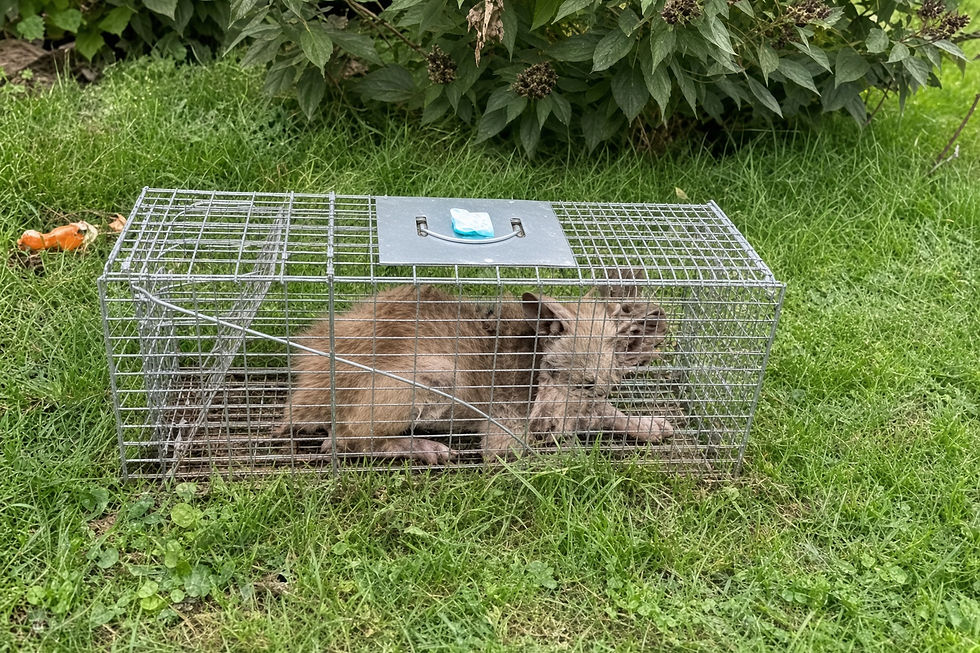
Our 6 Steps To Prevent Coyote's From Returning
Once the coyote has been removed, we offer targeted steps to secure your property and reduce the chance of future activity.
Remove Attractants
We identify and eliminate outdoor food sources such as pet food, fallen fruit, and open compost that attract coyotes.
Secure Garbage
We lock down trash bins and recommend wildlife-proof containers so household waste no longer draws coyotes in.
Seal Den Sites
We locate and seal openings under decks, sheds, and porches that coyotes have used or could use.
Clear Cover
We remove dense brush, low branches, and debris piles that give coyotes stalking and travel cover.
Pets & Livestock
We assess pet & livestock areas and install simple barriers to reduce the risk of coyote encounters nearby.
Reinforce Areas
We inspect and strengthen weak spots around the home to close access and discourage coyotes from returning.
How K9 Bed BugDetection
Works
Our detection process relies on highly trained canine partners and a structured method. Systematic searches include clear alerts and precise documentation. A detailed report is provided to support effective treatment.

Our bed bug detection uses highly trained canine partners and a structured inspection method. Our trained detection dog systematically searches the areas of concern, using its powerful sense of smell to locate bed bug activity.
K9 Inspection

When the dog detects the scent of bed bugs, it gives a clear, trained alert so the handler knows exactly where activity is present. This precise indication allows the handler to mark the location for further inspection and documentation.
K9 Findings

We provide a clear written report of the findings, including the locations indicated and recommended next steps. This documentation gives you a precise record of the inspection results to guide any further action.
K9 Report

We provide a clear written report of the findings, including the locations indicated and recommended next steps. This documentation gives you a precise record of the inspection results to guide any further action.
Treatment
How our K9's Detects Bed Bugs
Will use a simple pizza analogy to help you understand how our K9s work. Just like a dog can smell every individual topping while we only smell a pizza.

Receptor Density
When we smell “pizza.” A dog’s 300 million sensors pick out every individual ingredient.

Targeted Odor Capture
Those sensors lock onto specific smells (like pepperoni) and send them to the brain

High-Resolution Olfactory
The brain sorts each smell so the pepperoni stands out from the rest.

Pattern Recognition
Training teaches the dog the exact bed bug scent, just like “pepperoni pizza.”

Imprinting and Discrimination
The dog learns to react only to real bed bug scent and ignore everything else.

Operational Sensitivity
A trained dog can find and alert on a single bed bug egg.
Watch Our Wildlife Team
in Action
Whether you’re dealing with a suspected coyote or want proactive monitoring, H&H is here to help. We provide Ontario-wide Coyote Control with experienced wildlife teams focused on safe, effective results.
Hear From Our Happy Clients
THIS IS THE SPACE TO SHARE A REVIEW FROM ONE OF THE BUSINESS'S CLIENTS OR CUSTOMERS.
Danielle Yiluay
THIS IS THE SPACE TO SHARE A REVIEW FROM ONE OF THE BUSINESS'S CLIENTS OR CUSTOMERS.
Gisele Granot
THIS IS THE SPACE TO SHARE A REVIEW FROM ONE OF THE BUSINESS'S CLIENTS OR CUSTOMERS.
Tom Schimmer


GET IN TOUCH (437) 225-6210
MENU Services
Wildlife Control
Pest Control
K9 Detection
FOLLOW US Instagram
OPENING HOURS Mon-Fri 9am - 5pm
Saturday 9am - 3pm
Sunday / OnCall

We know what it’s costing you
Losing livestock to coyotes is hard on any farm. Many producers feel frustrated, exhausted, or just plain fed up. You’re not alone, our wildlife control humanely traps and removes problem animals so you get relief instead of ongoing losses.
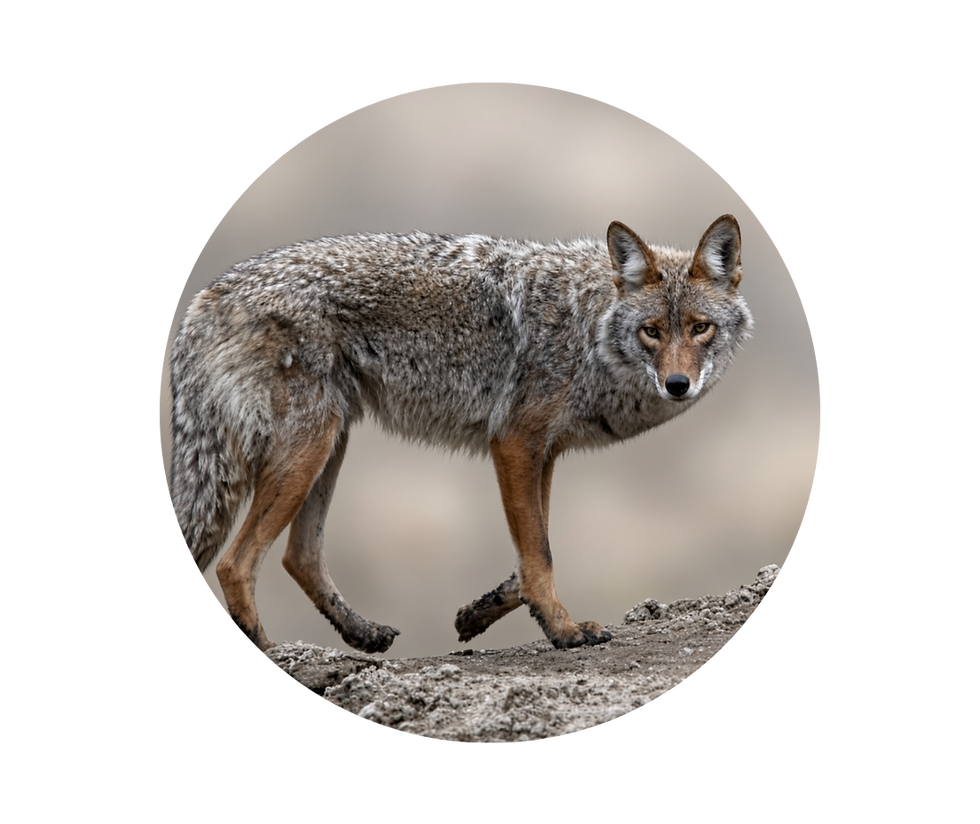


Where coyotes prefer to shelter
Coyotes den in brush piles, under sheds, in culverts, or in wooded edges near open fields. They choose quiet, protected spots, especially when raising pups in spring. Finding a den confirms they are using the property regularly.

Our Custom 4 Step Process
Removing bats is never one-size-fits-all. At H&H, our wildlife control experts tailor every plan to your property, giving you a truly custom solution.


Property Assessment
STEP ONE
Property Assessment
Our team conducts a thorough, systematic inspection of your property, focusing on areas where coyotes are most likely to be active.
STEP TWO
Report Findings
We provide a clear summary of our findings, outlining the coyotes identified, their activity levels, and the conditions contributing to the problem.
STEP THREE
Treatment
Our technicians apply exclusion methods based on the coyotes and conditions found, focusing on effective removal while minimizing disruption.
STEP FOUR
Prevention
Our team implements targeted prevention measures and schedules follow-up visits to help keep coyotes from returning.
How Our Professional Coyote Assessment Works
Our process relies on experienced wildlife specialists and a structured method. Systematic property checks include clear observations and precise documentation. A detailed report is provided to support effective management.

Property Assessment
Our team walks the property systematically, focusing on areas where coyotes are most likely to be active. We look for signs of presence, suitable den sites, and conditions that may be attracting them.
Assessment Findings
Once the inspection is complete, we record exactly where activity or evidence was found and what it indicates. Each location is noted along with the signs observed so the results are specific and easy to understand.
Assessment Report
You receive a clear written report of the findings, including the locations indicated and recommended next steps. This documentation gives you a precise record of the inspection results to guide any further action.
Management
If management is needed, our team handles the full process from exclusion to removal and follow-up. We provide targeted, practical solutions based on the activity found so the issue is resolved directly by our specialists.

Proactive Measures to Protect Your Home
Once coyotes are addressed, we offer targeted steps to secure your property and reduce the chance of future activity.
Secure Fencing
We locate and reinforce fence lines, gates, and gaps coyotes have used or could use to reach livestock.
Install Deterrents
We place motion lights or other deterrents so coyotes are discouraged from approaching barns and coops at night.
Protect Livestock
We recommend night penning and guard animals where suitable to reduce easy access to poultry and young stock.
Remove Attractants
Carcasses, pet food, and other food sources near buildings are cleaned up to stop drawing coyotes in.
Trim Branches
We recommend trimming brush and tall grass near structures to remove easy hiding and travel routes.
Reinforce Areas
We repair or strengthen weak fence sections and barriers to make re-entry much more difficult.
See Our Wildlife Team in Action
Whether you’re dealing with an active coyote problem or want to prevent future entry, H&H is here to help. We provide Ontario-wide humane coyote removal with experienced teams focused on safe, effective results.

Proactive Measures to Protect Your Home
Once raccoons are removed, we offer targeted steps to secure your property and reduce the chance of future activity.
Seal Openings
We locate and properly seal attic, roof, soffit, and wall openings raccoons have used or could use.
Install Exclusions
We place one-way exclusion devices so any remaining raccoons can exit but cannot re-enter the structure.
Cap Chimneys
We install durable chimney caps and secure roof vents to block these common raccoon access points.
Remove Attractants
Debris, woodpiles, and hiding spots near the structure are cleaned up.
Trim Branches
We recommend trimming tree limbs near the roof to remove easy climbing routes raccoons use for access.
Reinforce Areas
We repair or strengthen damaged screens, fascia, and weak points to make re-entry much more difficult.
Our 6 Steps To Prevent Coyote's From Returning
Once the coyote has been removed, we offer targeted steps to secure your property and reduce the chance of future activity.
Remove Attractants
We identify and eliminate outdoor food sources such as pet food, fallen fruit, and open compost that attract coyotes.
Secure Garbage
We lock down trash bins and recommend wildlife-proof containers so household waste no longer draws coyotes in.
Seal Den Sites
We locate and seal openings under decks, sheds, and porches that coyotes have used or could use.
Clear Cover
We remove dense brush, low branches, and debris piles that give coyotes stalking and travel cover.
Pets & Livestock
We assess pet & livestock areas and install simple barriers to reduce the risk of coyote encounters nearby.
Reinforce Areas
We inspect and strengthen weak spots around the home to close access and discourage coyotes from returning.
Watch Our Wildlife Team
in Action
Whether you’re dealing with a suspected coyote or want proactive monitoring, H&H is here to help. We provide Ontario-wide Coyote Control with experienced wildlife teams focused on safe, effective results.

Client Experiences That Build Lasting Trust

Think You Have Coyotes on Your Property?
Contact us today to book a professional property inspection. Our wildlife teams can confirm activity quickly and discreetly across Ontario.
info@mysite.com
Tel. 123-456-7890
Fax. 123-456-7890

